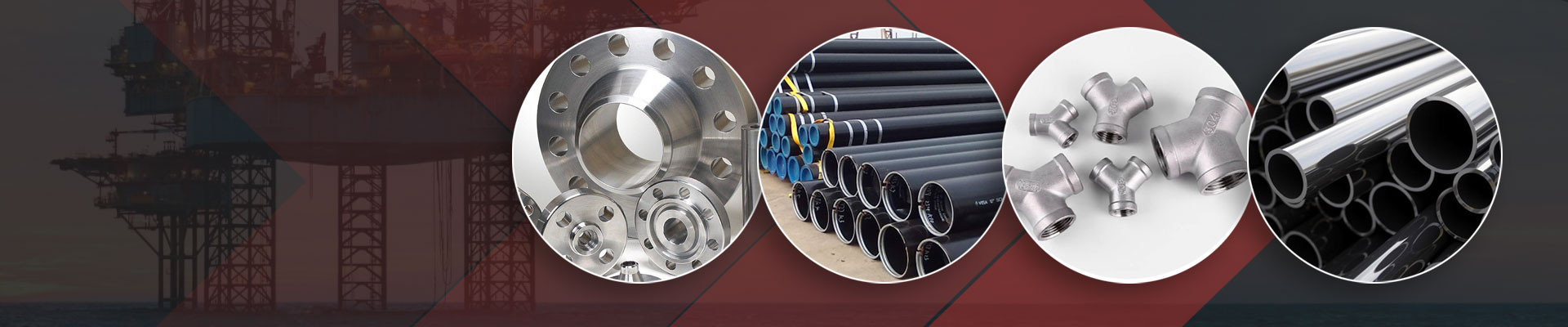
API 5L and ASTM A106 are two of the most common pipe specifications used in industrial projects, but they are not the same. Many buyers search for “API 5L vs ASTM A106” because both can appear in oil and gas, refinery, petrochemical, power, utility and industrial piping enquiries. However, choosing the wrong specification can create approval delays, wrong quotation, project rejection, inspection issues and unnecessary cost.
In simple terms, API 5L pipes are mainly used for line pipe applications such as oil, gas, water and pipeline transmission, while ASTM A106 pipes are carbon steel seamless pipes mainly used for high-temperature and pressure-service piping.
Kwality Steelage supplies both API 5L pipes and ASTM A106 pipes from India for export and project-based requirements. The company supports EPC contractors, importers, oil and gas buyers, refinery buyers, petrochemical procurement teams, water transmission contractors, power plant buyers, industrial stockists and maintenance teams with grade-wise pipe supply, MTC documentation, heat number traceability, inspection support and export packing.
Quick Answer
Choose API 5L pipe when your project requires line pipe for oil, gas, water, energy or transmission pipeline applications.
Choose ASTM A106 pipe when your project requires carbon steel seamless pipe for high-temperature service, pressure piping, refinery, petrochemical, boiler, steam, process piping or industrial utility applications.
The final choice should always follow project specification, pressure, temperature, media, wall thickness, pipe type, inspection requirement and approval standard.
API 5L vs ASTM A106: Basic Difference
| Comparison Point | API 5L Pipes | ASTM A106 Pipes |
|---|---|---|
| Main Use | Line pipe applications | High-temperature seamless pressure piping |
| Common Applications | Oil, gas, water, transmission, pipelines | Refinery, petrochemical, power, boiler, steam, process piping |
| Pipe Type | Seamless, ERW, LSAW, HSAW depending on requirement | Seamless carbon steel pipe |
| Common Grades | Grade B, X42, X52, X60, X65, X70 | Grade A, Grade B, Grade C |
| PSL Requirement | PSL1 and PSL2 | No PSL system |
| Typical Buyer | Pipeline contractor, oil and gas buyer, water transmission contractor | Refinery buyer, power plant buyer, petrochemical buyer, maintenance team |
| Key Selection Factor | Line pipe grade, PSL level, OD, wall thickness | Seamless grade, schedule, temperature and pressure service |
| Documentation | MTC, heat number, PSL testing where applicable | MTC, heat number, mechanical/chemical test details |
What Is API 5L Pipe?
API 5L pipe is a line pipe specification widely used for transporting oil, gas, water and other fluids in pipeline systems. It is commonly used in energy projects, oil and gas pipelines, water transmission, refinery support lines, terminal pipelines and industrial utility pipelines.
API 5L pipes may be supplied in different pipe types depending on project specification:
API 5L seamless pipes
API 5L ERW pipes
API 5L LSAW pipes
API 5L HSAW pipes
API 5L welded pipes
Large diameter API 5L pipes
Coated API 5L pipes
Common API 5L grades include:
API 5L Grade B
API 5L X42
API 5L X52
API 5L X60
API 5L X65
API 5L X70
API 5L buyers must also confirm whether the project requires PSL1 or PSL2.
What Is ASTM A106 Pipe?
ASTM A106 pipe is a carbon steel seamless pipe specification commonly used for high-temperature service. It is widely used in refineries, petrochemical plants, power plants, boilers, steam lines, pressure piping, process systems and industrial maintenance.
ASTM A106 pipes are supplied as seamless pipes and are commonly ordered in schedule-based requirements such as SCH 40, SCH 80, SCH 160, XS and XXS.
Common ASTM A106 grades include:
ASTM A106 Grade A
ASTM A106 Grade B
ASTM A106 Grade C
Among these, ASTM A106 Grade B is one of the most commonly requested grades for industrial and export project requirements.
When Should Buyers Choose API 5L Pipes?
Buyers should choose API 5L pipes when the project specification requires line pipe for pipeline transmission or utility pipeline applications.
API 5L pipes are commonly selected for:
Oil pipelines
Gas pipelines
Water transmission lines
Energy pipeline systems
Terminal lines
Refinery pipeline support
Industrial pipeline networks
Large diameter transmission projects
Utility pipeline applications
Long-distance pipeline requirements
API 5L is usually the better choice when the enquiry mentions line pipe, pipeline, transmission, oil, gas, water or API standard.
When Should Buyers Choose ASTM A106 Pipes?
Buyers should choose ASTM A106 pipes when the project requires seamless carbon steel pipe for high-temperature or pressure-service applications.
ASTM A106 pipes are commonly selected for:
Refinery process piping
Petrochemical piping
Power plant piping
Boiler lines
Steam lines
High-temperature systems
Pressure piping
Industrial utility lines
Maintenance replacement
Shutdown projects
ASTM A106 is usually the better choice when the enquiry mentions seamless pipe, high-temperature service, steam, boiler, refinery process line or pressure piping.
API 5L Grade B vs ASTM A106 Grade B
API 5L Grade B and ASTM A106 Grade B are often confused because both include “Grade B” and both may be carbon steel pipes. However, they are used for different purposes.
| Comparison Point | API 5L Grade B | ASTM A106 Grade B |
|---|---|---|
| Main Purpose | Line pipe | Seamless pressure pipe |
| Common Use | Oil, gas, water and pipeline transmission | Refinery, steam, boiler, pressure and process service |
| Pipe Form | Seamless or welded depending on requirement | Seamless only |
| Specification System | API line pipe standard | ASTM seamless carbon steel pipe standard |
| PSL Option | PSL1 or PSL2 | Not applicable |
| Buyer Risk | PSL and pipe type may be missed | Schedule and high-temperature service may be missed |
A buyer should not replace API 5L Grade B with ASTM A106 Grade B unless the project specification allows it. Final approval should always come from the project specification, consultant or engineering team.
API 5L PSL1 vs PSL2: Why It Matters
API 5L pipes may be supplied under PSL1 or PSL2 requirements. This is one of the biggest differences buyers must understand.
| Requirement | API 5L PSL1 | API 5L PSL2 |
|---|---|---|
| Use Case | General line pipe requirement | More controlled line pipe requirement |
| Testing | Standard requirement | More stringent testing |
| Chemical Control | Standard control | Tighter control |
| Mechanical Properties | Standard control | More detailed control |
| Documentation | MTC as per order | More detailed testing and documentation often required |
| Buyer Risk if Not Mentioned | Wrong quotation | Technical rejection or re-approval delay |
If your API 5L enquiry does not mention PSL1 or PSL2, the quotation may be incomplete or technically unsuitable.
ASTM A106 Grade A vs Grade B vs Grade C
ASTM A106 pipes are available in Grade A, Grade B and Grade C. Buyers commonly request ASTM A106 Grade B, but project specifications may require a different grade depending on strength and service requirement.
| ASTM A106 Grade | Common Buyer Use |
|---|---|
| Grade A | Lower strength requirements |
| Grade B | Common industrial and pressure-service applications |
| Grade C | Higher strength requirement compared with Grade B |
For most export and industrial enquiries, buyers usually mention ASTM A106 Grade B. However, the final grade should always follow the project specification.
Seamless vs Welded Difference
This is another important difference between API 5L and ASTM A106.
ASTM A106 is a seamless carbon steel pipe specification.
API 5L can be supplied as:
Seamless pipe
ERW pipe
LSAW pipe
HSAW pipe
Welded pipe
This means API 5L is more flexible for pipeline projects, especially large diameter requirements. ASTM A106 is usually selected where seamless construction is specifically required.
Can API 5L and ASTM A106 Be Used Interchangeably?
Not automatically.
API 5L and ASTM A106 should not be treated as direct substitutes unless the project specification, engineering consultant or end user approves the substitution.
They may overlap in some practical industrial discussions, but their intended use, specification system, manufacturing type and acceptance criteria are different.
Before replacing one with another, buyers should confirm:
Project specification
Pipe application
Pressure and temperature
Media
Seamless or welded requirement
Grade equivalency
MTC requirement
Inspection requirement
End-user approval
Common Buyer Mistakes in API 5L vs ASTM A106 Selection
Many procurement mistakes happen because buyers compare only price or grade name.
Avoid these mistakes:
Asking for “Grade B pipe” without standard
Confusing API 5L Grade B with ASTM A106 Grade B
Forgetting PSL1 or PSL2 in API 5L enquiries
Not mentioning seamless or welded pipe type
Not sharing schedule or wall thickness
Not mentioning application
Using ASTM A106 for pipeline work without approval
Using API 5L for high-temperature pressure piping without approval
Not checking MTC and heat number traceability
Adding inspection after order confirmation
A complete enquiry prevents wrong quotation and delays.
API 5L vs ASTM A106 for Oil and Gas Projects
Oil and gas projects may use both API 5L and ASTM A106, but in different sections.
API 5L may be used for:
Oil pipelines
Gas transmission lines
Terminal pipelines
Energy pipeline systems
Large diameter line pipe requirements
Utility pipeline applications
ASTM A106 may be used for:
Refinery process piping
High-temperature utility lines
Steam lines
Pressure piping
Maintenance replacement
Plant process systems
For oil and gas projects, buyers should clearly mention whether the pipe is for pipeline transmission or plant/process piping.
API 5L vs ASTM A106 for Water Transmission Projects
For water transmission projects, API 5L is often more relevant because buyers may need line pipe material in large diameters. API 5L pipes may be supplied in LSAW, HSAW, ERW or seamless construction depending on size and specification.
ASTM A106 may be used for smaller pressure or utility lines, but it is not usually the first choice for large diameter water transmission unless specified.
For water transmission, buyers should confirm:
Pipe type
OD
Wall thickness
API grade
PSL level
Coating requirement
MTC requirement
Inspection requirement
API 5L vs ASTM A106 for Refinery and Petrochemical Projects
Refinery and petrochemical projects may use both standards.
API 5L may be used for:
Terminal lines
Utility pipelines
Oil and gas movement
Water lines
Plant pipeline systems
ASTM A106 may be used for:
High-temperature process piping
Steam lines
Pressure piping
Refinery utilities
Maintenance replacement
Shutdown work
For refinery and petrochemical projects, buyers should mention line class, service media, temperature, pressure and project specification.
API 5L vs ASTM A106 for Power Plant Projects
Power plant projects may use ASTM A106 more often in pressure and high-temperature service, especially where carbon steel seamless pipe is required.
ASTM A106 may be used for:
Steam support lines
Utility piping
Pressure systems
High-temperature service
Boiler-related piping where specified
Plant maintenance
API 5L may be used for:
Water lines
Fuel lines
Utility pipelines
Large diameter line pipe applications
General plant pipeline requirements
The project specification should decide the final pipe standard.
API 5L vs ASTM A106 for Industrial Maintenance
Maintenance buyers often need to match existing plant specifications. If the old pipe is ASTM A106 Grade B SCH 80, the replacement should match that requirement unless engineering approval allows a change.
For maintenance enquiries, buyers should share:
Existing pipe standard
Grade
Size
Schedule
Wall thickness
Length
Application
Temperature and pressure
MTC requirement
Inspection requirement
Required dispatch timeline
Matching the existing standard is very important in shutdown and replacement work.
Documentation Required for API 5L and ASTM A106 Pipes
Both API 5L and ASTM A106 pipe buyers may require documentation for project approval and inspection.
Common documents may include:
Material Test Certificate
Heat number traceability details
Chemical composition report
Mechanical test details
Hydro test report, where applicable
Dimensional inspection report
Third-party inspection report, if required
PMI report, where applicable
Commercial invoice
Packing list
Certificate of origin
Shipping documents
Documentation requirements should be discussed before order confirmation.
MTC and Heat Number Traceability
For both API 5L and ASTM A106 pipes, MTC and heat number traceability help verify that supplied material matches the purchase order and project specification.
The MTC should help confirm:
Pipe standard
Grade
Pipe type
Size
Schedule or wall thickness
Heat number
Chemical composition
Mechanical properties
Testing details
Compliance with purchase order
Heat number marking should match the MTC wherever required.
Third-Party Inspection for API 5L and ASTM A106 Pipes
Third-party inspection may be required for project-critical orders, export shipments, oil and gas projects, refinery projects, water transmission projects and EPC supplies.
Inspection may include:
Visual inspection
Dimensional inspection
MTC review
Heat number verification
Wall thickness check
Surface condition check
Quantity verification
Marking verification
Packing inspection
Final release note
Buyers should confirm inspection requirement before order finalisation because late inspection requests can delay dispatch.
Export Packing for API 5L and ASTM A106 Pipes
Export packing is important because pipes may pass through warehouse handling, inland transport, port handling, sea shipment, customs clearance and final site delivery.
Packing may include:
Bundle packing
End protection
Waterproof covering where required
Rust prevention
Clear marking
Heat number visibility
Grade-wise segregation
Size-wise segregation
Packing list accuracy
Container loading support
Seaworthy packing as required
For mixed-grade, heavy wall, large diameter or urgent project shipments, packing should be planned carefully.
How to Send an Enquiry for API 5L Pipes
For API 5L pipe quotation, buyers should share:
API 5L grade
PSL1 or PSL2
Pipe type
Size / NPS / OD
Wall thickness or schedule
Quantity
Length
End finish
Application
Coating requirement, if any
MTC requirement
Inspection requirement
Destination
Delivery timeline
How to Send an Enquiry for ASTM A106 Pipes
For ASTM A106 pipe quotation, buyers should share:
ASTM A106 grade
Size / NPS / OD
Schedule or wall thickness
Quantity
Length
End finish
Application
Temperature and pressure details
MTC requirement
Inspection requirement
Destination
Delivery timeline
Which Pipe Should You Choose?
Choose API 5L if your requirement is for:
Oil pipeline
Gas pipeline
Water transmission
Energy pipeline
Terminal line
Large diameter line pipe
Utility pipeline
Pipeline project with PSL requirement
Choose ASTM A106 if your requirement is for:
High-temperature service
Pressure piping
Refinery process piping
Petrochemical piping
Boiler or steam line support
Power plant utility piping
Seamless carbon steel pipe requirement
Shutdown replacement matching ASTM A106
If you are unsure, share your application, media, pressure, temperature and project specification with the supplier before finalising.
Why Choose Kwality Steelage for API 5L and ASTM A106 Pipe Supply
Kwality Steelage supports buyers who need clear, documentation-ready and project-focused pipe supply from India.
Buyers choose Kwality Steelage for:
API 5L pipe supply from India
ASTM A106 pipe supply from India
Grade-wise enquiry review
PSL1 and PSL2 clarification for API 5L pipes
Seamless and welded pipe supply support
MTC and heat number traceability coordination
Third-party inspection support where required
Export packing support
Oil and gas, refinery, water, power and industrial project support
Export dispatch coordination
Kwality Steelage focuses on helping buyers reduce procurement risk by supporting technical clarity, documentation, inspection, packing and dispatch planning.
Request API 5L or ASTM A106 Pipe Quotation
If you are sourcing API 5L pipes or ASTM A106 pipes for oil and gas, water transmission, refinery, petrochemical, power plant, industrial maintenance, construction or EPC project requirements, share your enquiry with Kwality Steelage.
Please send:
Pipe standard
Grade
Pipe type
Size / NPS / OD
Schedule or wall thickness
Quantity
Length
End finish
Application
Temperature and pressure details, if available
PSL level, if API 5L
Coating requirement, if any
MTC requirement
Inspection requirement
Packing requirement
Destination details
Delivery timeline
Kwality Steelage will review your requirement and provide quotation support based on availability, documentation, inspection, packing and export dispatch needs.
Conclusion
API 5L and ASTM A106 pipes are both important industrial pipe specifications, but they serve different purposes. API 5L is mainly used for line pipe and pipeline transmission applications, while ASTM A106 is a seamless carbon steel pipe specification commonly used for high-temperature and pressure-service piping.
Buyers should not select between API 5L and ASTM A106 only by price or grade name. The correct choice depends on project specification, application, media, temperature, pressure, pipe type, wall thickness, documentation and inspection requirements.
Kwality Steelage supplies API 5L pipes and ASTM A106 pipes from India with MTC documentation, heat number traceability, inspection support and export packing for oil and gas, water transmission, refinery, petrochemical, power plant, industrial maintenance and EPC projects.
For API 5L or ASTM A106 pipe enquiries, share your standard, grade, size, schedule, quantity, application and destination details with Kwality Steelage for project-focused quotation support.
FAQs
What is the difference between API 5L and ASTM A106 pipes?
API 5L pipes are mainly used for line pipe and pipeline transmission applications, while ASTM A106 pipes are seamless carbon steel pipes used for high-temperature and pressure-service piping.
Is API 5L the same as ASTM A106?
No. API 5L and ASTM A106 are different pipe specifications with different intended uses, grade systems and acceptance requirements.
When should I choose API 5L pipe?
Choose API 5L pipe for oil, gas, water, energy, terminal, utility and pipeline transmission applications where line pipe material is required.
When should I choose ASTM A106 pipe?
Choose ASTM A106 pipe for high-temperature, pressure-service, refinery, petrochemical, boiler, steam, process piping and industrial utility applications where seamless carbon steel pipe is required.
Is API 5L Grade B the same as ASTM A106 Grade B?
No. Both may include “Grade B,” but API 5L Grade B is a line pipe grade, while ASTM A106 Grade B is a seamless carbon steel pressure pipe grade.
Can API 5L replace ASTM A106?
API 5L should not replace ASTM A106 unless the project specification or engineering approval allows it.
Can ASTM A106 replace API 5L?
ASTM A106 should not replace API 5L unless the project specification or engineering approval allows it.
Is ASTM A106 pipe seamless?
Yes. ASTM A106 is a seamless carbon steel pipe specification.
Is API 5L pipe seamless or welded?
API 5L pipes can be seamless or welded depending on project requirement. API 5L may be supplied as seamless, ERW, LSAW or HSAW pipe.
What is PSL in API 5L pipe?
PSL means Product Specification Level. API 5L pipes may be supplied as PSL1 or PSL2 depending on project requirements.
Does ASTM A106 have PSL1 and PSL2?
No. PSL1 and PSL2 apply to API 5L pipes, not ASTM A106 pipes.
Which pipe is better for oil and gas pipelines?
API 5L is generally selected for oil and gas pipeline transmission applications where line pipe is required.
Which pipe is better for steam and boiler lines?
ASTM A106 may be selected for high-temperature carbon steel seamless piping such as steam and boiler-related lines where specified.
What details should buyers share for API 5L quotation?
Buyers should share API 5L grade, PSL level, pipe type, size, wall thickness, quantity, length, application, coating requirement, MTC requirement, inspection requirement and destination.
What details should buyers share for ASTM A106 quotation?
Buyers should share ASTM A106 grade, size, schedule or wall thickness, quantity, length, application, temperature, pressure, MTC requirement, inspection requirement and destination.