What Are EFW Pipes and Why Are They Chosen by South African Chemical Industries?
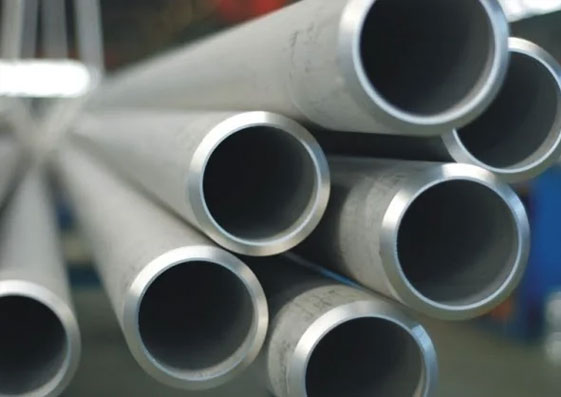
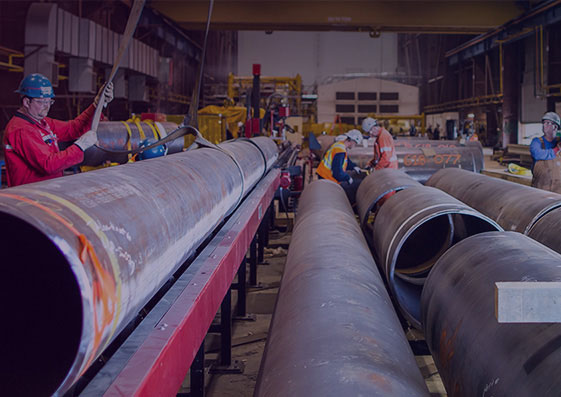
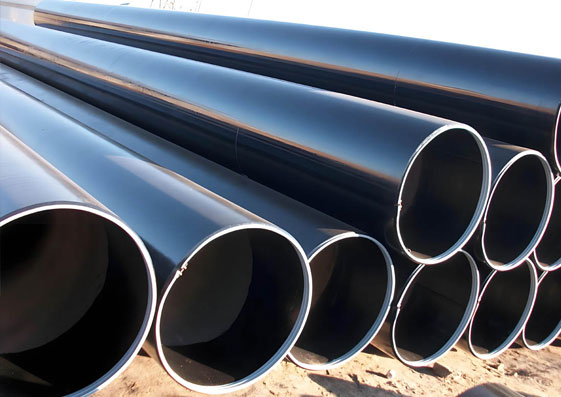
Electric Fusion Welded (EFW) pipes are created by welding rolled steel plates using high-current electric fusion. This method produces a uniform, high-strength weld with minimal heat-affected zones—perfect for handling corrosive or high-pressure chemical flows. They are especially valued where high-temperature resistance, consistent wall thickness, and structural integrity are critical.
South Africa’s chemical processing sector—including petrochemicals, fertilizer plants, mining chemicals, and industrial water treatment—operates across a diverse range of technical environments: from corrosive slurry pipelines to heat-intensive reactors. In such conditions, EFW pipes deliver unmatched performance and longevity.
Growth in EFW Pipe Demand Across South Africa’s Chemical Sector
Over the past decade, South African industries have demonstrated a clear shift toward EFW pipes, particularly for:
- Pipeline systems in high-temperature chemical reactors
- Transfer lines handling aggressive process media
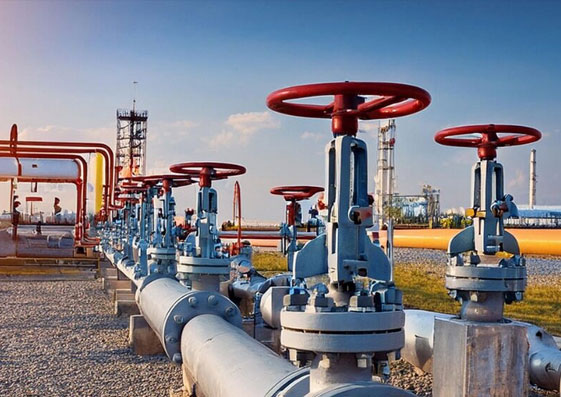
- Infrastructure in mining and petrochemical complexes
- Heat exchanger and boiler feeder systems
This is largely due to EFW pipes’ superior pressure rating, excellent corrosion resistance, and dimensional uniformity—especially vital in large-bore, high-duty installations.
Common Buyer Questions from South African Engineers
- “Can EFW pipes handle caustic or acidic chemical media safely?”
- “Are they more cost-effective than seamless pipes for large diameters?”
- “Do EFW pipes meet ASTM/ASME standards for pharmaceutical, food, or refinery plants?”
- “What grades and wall thicknesses are available for high-pressure systems?”
Material Grades and Standards That Suit Chemical Environments
EFW pipes supplied to the South African chemical industry must meet international quality standards such as:
- ASTM A358 (for stainless steel EFW pipes)
- ASTM A671 / A672 (for carbon/alloy steel EFW pipes)
- ASME B36.10 / B36.19 for dimensional consistency
Popular material grades include:
- Stainless Steel: 304L, 316L, 321, 347H (for acid resistance)
- Duplex & Super Duplex: UNS S31803, S32750
- Alloy Steel: ASTM A335 P11, P22 (used in high-temperature zones)
These grades ensure resistance to corrosion, heat, abrasion, and pressure—key factors in chemical manufacturing.
Sizes, Thickness, and Weld Quality for Industrial Demands
Kwality Steelage supplies EFW pipes in sizes ranging from 6” to 100” NB with wall thickness from SCH 10 to SCH 160 and custom schedules.
✔️ Welded seam quality is X-ray tested and ultrasonically inspected.
✔️ Bevelled ends or plain ends as per piping layouts.
✔️ Annealing and solution heat treatment done for stress relief and better grain structure.
This level of quality control meets the expectations of chemical industries in Johannesburg, Durban, Cape Town, Port Elizabeth, and Rustenburg.
Why EFW Pipes Outperform Seamless in Chemical Plants
| Factor | EFW Pipes | Seamless Pipes |
|---|---|---|
| Cost for large diameters | ✔️ Lower cost per meter | ❌ Expensive above 12” NB |
| Customization | ✔️ Better control over thickness & length | ❌ Limited customization |
| Lead Time | ✔️ Faster delivery in bulk | ❌ Longer due to complex manufacturing |
| Performance | ✔️ High corrosion & heat resistance | ✔️ Good performance, but costly |
South African EPC contractors, plant operators, and OEMs now prefer EFW for projects above 14” NB due to budget and logistics advantages.
Delivery & Supply Chain to South Africa
Kwality Steelage ensures:
- Port-to-site delivery support via Durban, Cape Town, and Richards Bay
- Export packaging in seaworthy wooden crates with PE wrapping
- Mill TC + Hydrostatic + Radiography + NDT + 3.1 certification
- Customs clearance documentation for smooth import
📌 Export-ready for tenders in chemical processing, fertiliser plants, and oil blending units.
Export-Focused Approach for South African Buyers
At Kwality Steelage, we’ve built a robust export strategy tailored for the South African chemical sector, with buyers in:
- Durban, Johannesburg, Cape Town, Port Elizabeth, Mpumalanga
- Fertilizer production units, petrochemical processors, detergent manufacturers
- EPC contractors executing turnkey chemical plant projects
Why exporters choose us:
✅ Door-to-port delivery
✅ SGS-approved inspection, NDT & hydro reports
✅ Compliance with ISO, ASTM, ASME, and local South African codes
✅ CE, PED & BIS certification on request
Selecting the Right EFW Pipe for Chemical Use
Here’s what South African chemical processors should check before ordering:
- Material Compatibility – Choose 316L, 321, or Duplex for acidic/alkaline chemicals
- Wall Thickness – Based on internal pressure & flow rate
- Welding Standard – Ensure 100% radiographic testing for seam integrity
- Heat Treatment – Pick solution-annealed pipes for high-temperature zones
- End Connections – Ask for bevelled/plain/grooved ends based on your plant design
Still unsure? Our export team helps you match pipe grade to your chemical process.
Certifications and Test Reports Provided
We supply full documentation to support plant commissioning and regulatory audits:
- ✅ MTC EN 10204 3.1 / 3.2
- ✅ NDT, Radiography, and Hydro Test Reports
- ✅ Third-party inspection from SGS, BV, TUV on demand
- ✅ CE marking for projects under EU specifications
- ✅ Origin & conformity certificates for customs clearance
📞 Request Quote or Datasheet
Looking to import EFW pipes to South Africa for your next chemical project?
Get in touch now for:
📩 Datasheets (PDF)
💬 Live WhatsApp chat with export team
📦 Ready stock dispatch within 2–3 days
👉 Contact Us | 📞 +91-XXXXXXXXXX
👉 View All Pipe Grades
FAQs
Q1. What is the advantage of EFW pipes in chemical industries?
EFW pipes offer high corrosion resistance, large diameter availability, and cost-effectiveness—ideal for chemical processing.
Q2. Which steel grades are best for acid-based chemical pipelines?
Grades like SS 316L, SS 321, and Duplex S31803 are commonly used for acidic and alkaline chemicals.
Q3. Are EFW pipes corrosion-resistant for fertilizers or detergents?
Yes, when made from stainless or duplex steels, EFW pipes resist corrosion caused by chlorides, sulfates, and acidic compounds.
Q4. What pipe sizes are typically used in chemical plants?
Sizes from 6” to 24” NB are common in chemical plants, with customized schedules based on flow and pressure.
Q5. Can Kwality Steelage export to South African ports like Durban or Cape Town?
Yes. We handle all logistics including customs documentation, packaging, and CIF delivery to South African ports.
Q6. How do EFW pipes compare with seamless pipes?
EFW pipes are more cost-effective for large diameters and offer excellent quality if tested properly, unlike seamless which are costly above 12” NB.
Q7. What tests are conducted before dispatch?
We provide radiographic, ultrasonic, hydrostatic, PMI, and visual inspections as per ASTM/ASME norms.
Q8. Do you offer documentation for compliance with South African standards?
Yes, including test certificates, third-party reports, and CE/PED documentation when required.
Q9. Is third-party inspection like SGS or TUV possible?
Absolutely. We welcome SGS, TUV, or BV inspection before dispatch.
Q10. What is your lead time for export to Africa?
We ship within 2–3 business days for ready stock. Transit to South Africa typically takes 3–4 weeks.
Q11. Can you manufacture special grades for chemical projects?
Yes, we offer custom grades and sizes including high-temperature alloys.
Q12. What kind of packing is used for export?
Pipes are packed in seaworthy wooden crates, with PE wrapping and end protection to prevent transit damage.
Q13. Do you offer custom lengths for project-specific needs?
Yes, we supply both standard and custom-cut lengths as per buyer requirements.
Q14. Can I get a sample test report before placing a bulk order?
Yes, we can share a sample test certificate, video of dispatch, and third-party clearance upon request.
Q15. Where can I get a quote for EFW pipes for my chemical plant?
Contact us at Contact Page or call our export desk for pricing, delivery, and certifications.